
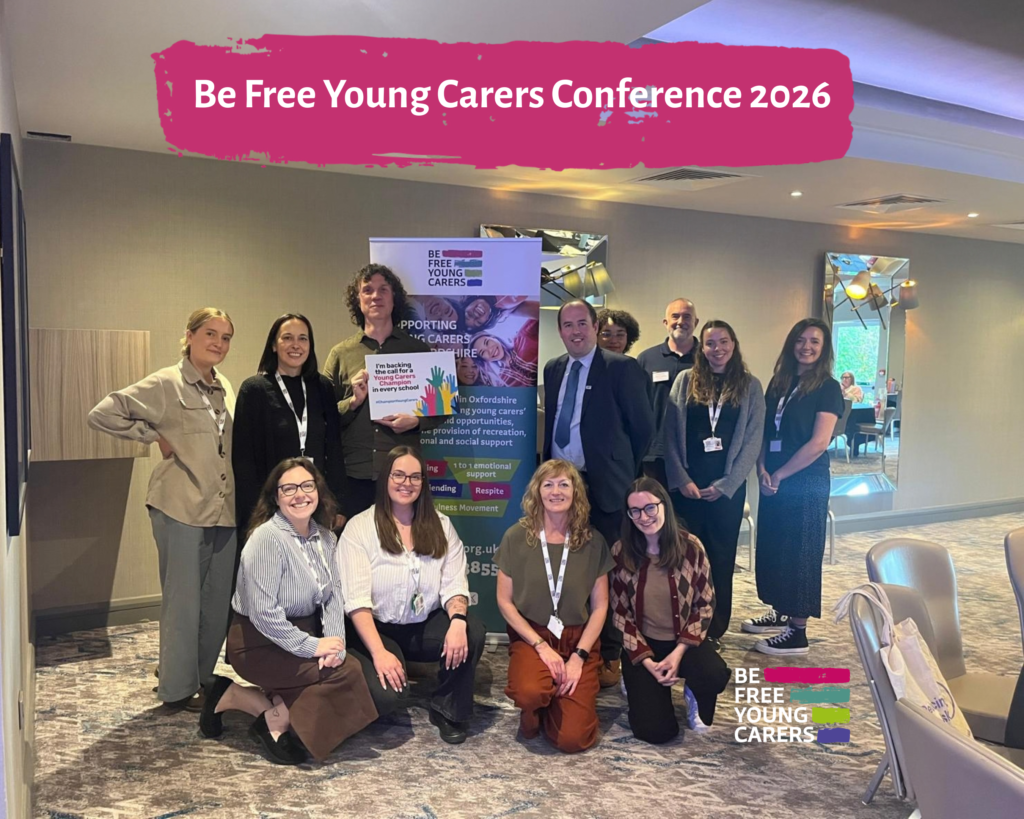
A few months ago, as September came with the usual back to school business, this year, something else that had been months in the making also came along: the first Oxfordshire Young Carers Conference! Be Free Young Carers gathered school representatives and likeminded individuals for a day of informative and thought provoking presentations discussing young carers in schools and how best to support and empower them to lead resilient lives.
The conference opened by highlighting the unique, lived experience of each individual young carer, no two are the same. Empowerment. Inclusivity. Empathy. Resilience. Pillars for what Be Free Young Carers stands for. The legacy Be Free hopes to achieve by hosting this conference is that by attending the conference, we can inspire working together and collaborating, in order to support the success of young carers, helping them achieve their full potential.
As highlighted by Carol Dunne, Chair of Trustees at Be Free Young Carers: Young carers are not victims, they have gaps or might miss parts that their classmates have, but through this, resilience develops. This resilience leads to new skills emerging, empowering young carers to reach their full potential.
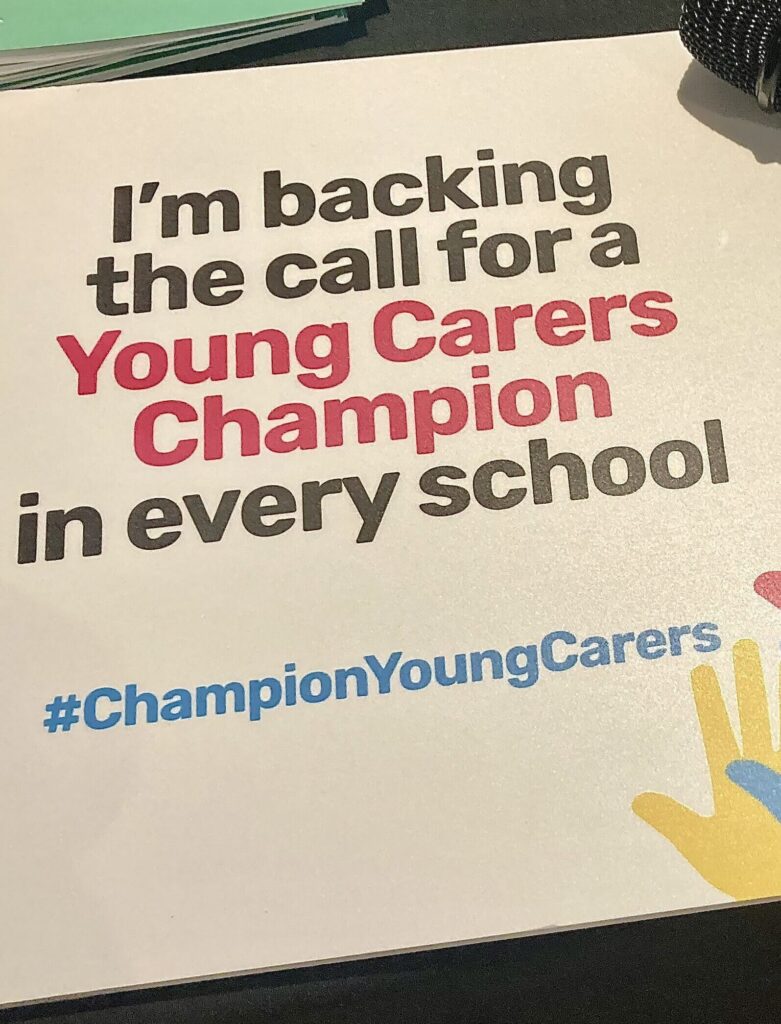
Andy McGowan from the Carers Trust, highlighted facts surrounding young carers in education. For the first time in social care, parental mental ill health has overtaken domestic abuse. A new issue arises alongside, which is that mental illness or addiction are some of the most hidden. It is now estimated that there are 1 million young carers, roughly 1-2 children in every class, in every school, across the country. The numbers showcase the importance of a young carers champion or lead in schools. By opening communication around young carers and collaborating, we have an opportunity for them to not only be seen, but also offered resources to help them succeed.
Invisible at the Intersection was presented by Emily Farquharson, focusing on black and global majority Young Carers and the limits they face due to current policies. She discussed the importance of recognising how race shapes whose caring experiences get identified, understood, and supported. There are important structural and cultural conditions that can shape the category of Young Carer. By identifying this, we can be more inclusive and understanding, ultimately, leading to a wider understanding of Young Carer roles and identifying those who might not fit the same model/criteria. The group discussions centred around:
- The Evidence Gap
- Adultification
- Redefining Care
- Trust & Migration
- What Support Should Look Like
Her presentation culminated with the idea that support should look like: Whole-Family Stabilisation, Professional Interpretation, Culturally Responsive Respite, System Navigation.
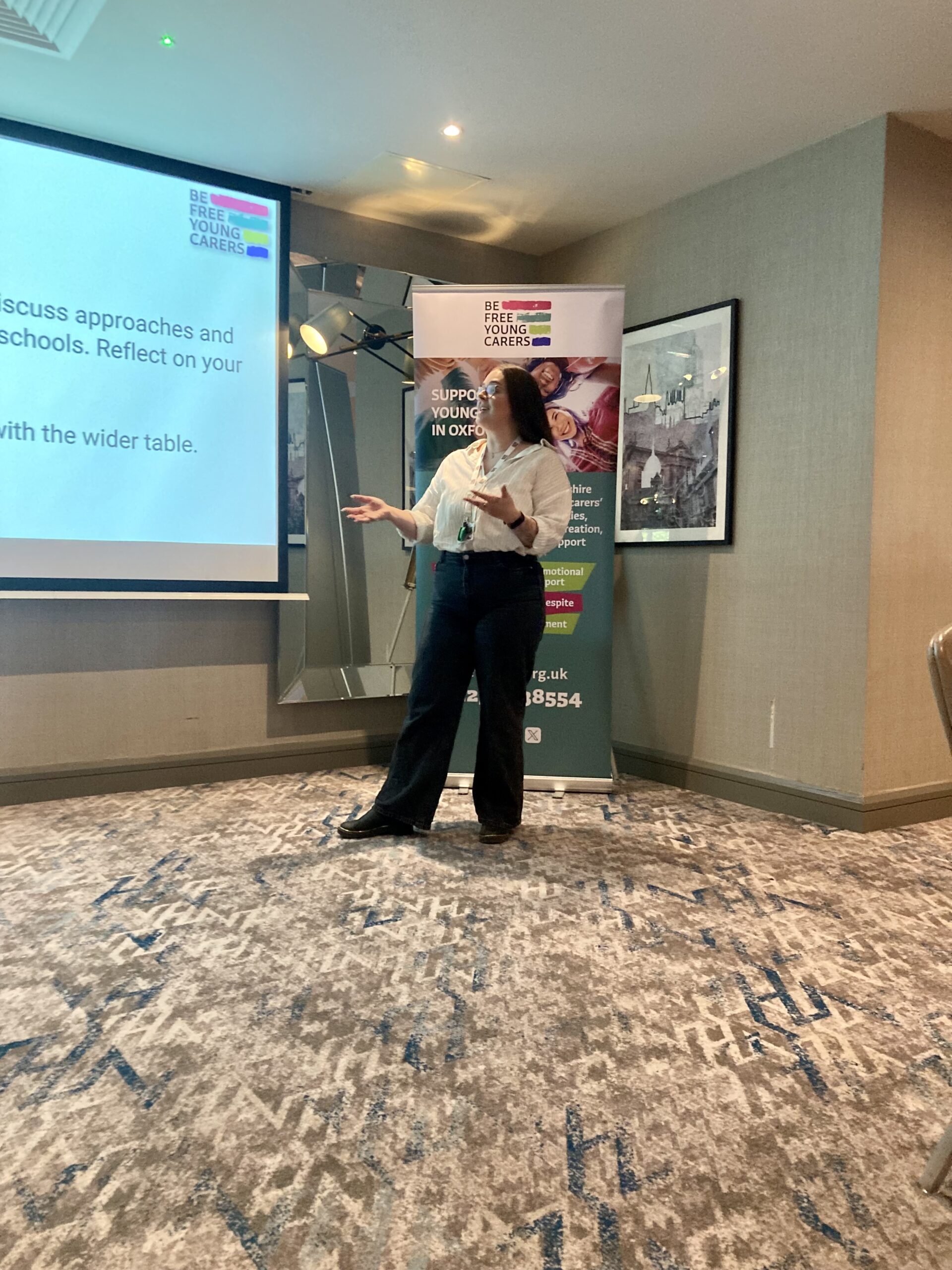
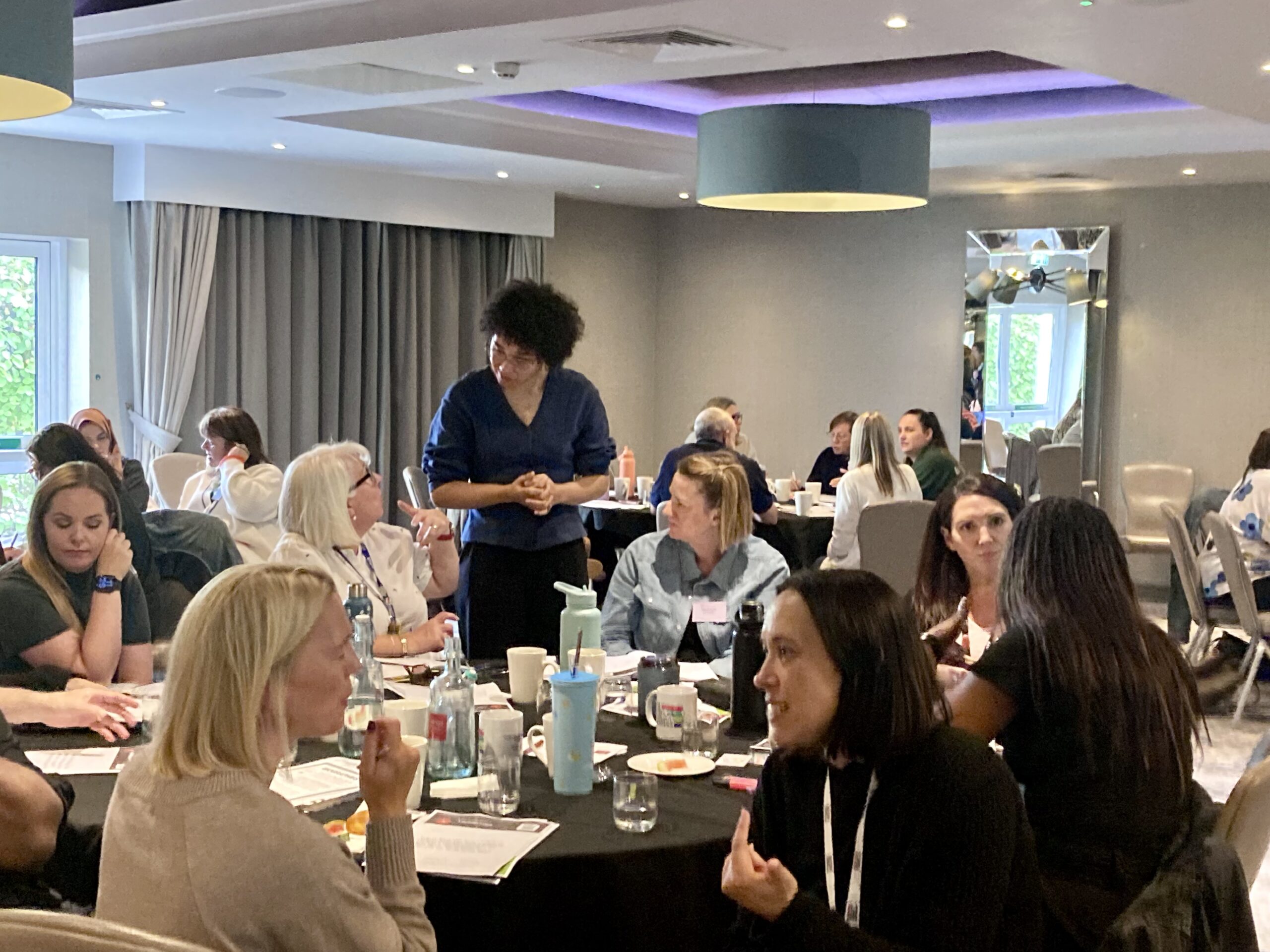
Workshops included identifying Young Carers and how to be a Young Carer Friendly School. Barriers leading to misidentifying or missing out young carers can include perception, fear or worry, lack of awareness, and many more. Improving identification by having strategic and systems level in place can lead to early intervention and as a result, improves outcomes for young carers. The importance of being identified and then having the necessary steps in place to support young carers only grows in importance. Including young carer awareness, across the school can help support not only identification, but acceptance and support from peers by removing stigma around the subject. The more we talk, the more can change! This topic transitioned into the benefits of creating a Young Carer friendly school and exploring the practical strategies to create them. The benefits go far beyond the positive long-term outcomes associated with the Young Carers, but also include educational and inclusivity. Facilitated by a Young Carer Lead Role, and with further support from Be Free Young Carers, fundraising and awareness can all help schools achieve this, highlighting kindness, empathy, and experiences of young carers across primary and secondary schools. Ideas include Bright Socks Day (link to contact for pack), bake sales, assemblies, choosing Be Free Young Carers as the Charity of the Year!
The common thread across all presentations and workshop sessions were centred around the pillars at Be Free Young Carers: Empowerment, Inclusivity, Empathy, Resilience.
Empowerment
We believe young carers should feel strong, capable, and proud of who they are.
Inclusivity
Everyone deserves to feel they belong.
Empathy
We meet people where they are, not where we think they should be.
Resilience
We are here for the long haul.
The Be Free Team rounded out these workshops by delivering informative sessions, making sure that the information was ready to be implemented. It was important for us to make sure attendees left with practical things they could implement across schools, in order to continue making a positive difference in the lives of Oxfordshire’s Young Carers. Simple things like creating a Young Carer evaluation, allows schools to see where they are supporting young carers, as well as areas that they could improve. By fundraising as a school, vital funds and awareness can be achieved. Bright Socks Day is a wonderful example. A day full of fun, low cost, and easy fundraising idea. It can serve as a positive way to start conversations about kindness, empathy and children who are young carers. We believe passionately that the triad between home-school-young carer, and how it can be a positive force by developing a partnership to benefit Young Carers, which in turn, benefits home-life and school.
If you attended, a heart-felt thank you for taking the time to come and not only support Be Free, but engage in the discussions that are the stepping stones for real change. If you would like further information or support, please get in touch.